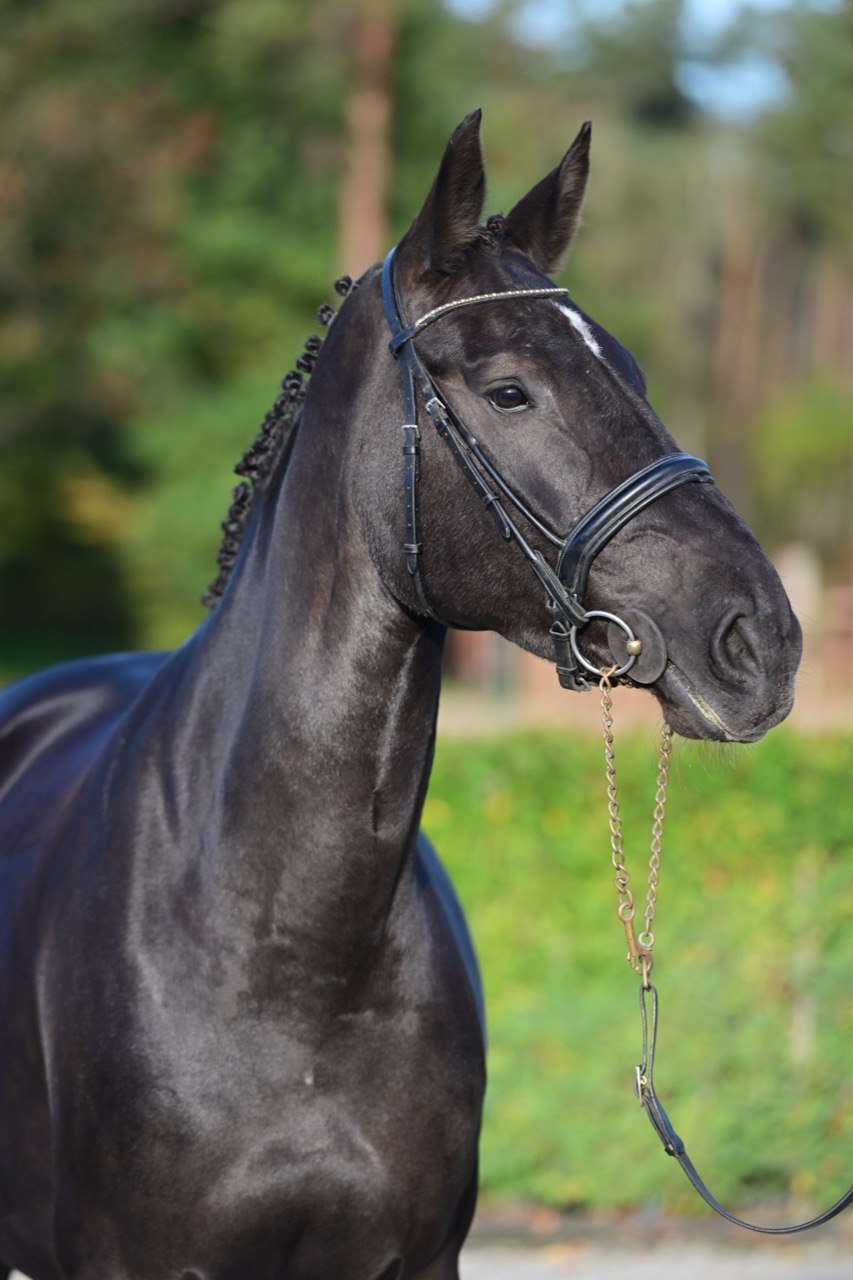
Horse price formation what it is worth - PART 1
In nowadays, the pricing of a sport horse — specifically in Europe, where sport horses for the entire global equestrian industry are actually bred and produced — follows a very simple logic. A modern European sport horse simply can not cost less than a certain amount.
If the horse was raised anywhere in Europe — Germany, Belgium, France, the Netherlands, or even in the furthest corners like Lithuania, Latvia, or Hungary, where horses are also bred and kept — it cannot be free. Even if you own a huge piece of land, a large farm, and have been doing this for years, the horse still has costs attached to it. . Always.
On average, keeping such an animal, even on your own private farm, will cost at least around €10,000 per year. Minimum. If you go extremely cheap, maybe €5,000. So what does that give us? It means that a five-year-old horse cost is a minimum of €50,000. Realistically, even €60,000, because before that there is also a year where the mare carries a foal for 11 months, and the mare herself also has to be bred and maintained.
Or, if the horse lives on some remote farm with a lot of land where you barely feed it, it survives only on grass growing on land inherited from your grandparents, you never invite a paid professional — no farrier, no veterinarian — and buy absolutely no feed, then even in that situation the operational cost of simply existing next to this horse will still be around €5,000 per year. As taxes, electricity and food for human that looks after the horse - all are present.
€5,000 per year is the absolute bottom of survival-level horse maintenance in Europe. So eventually we arrive at the sale of a five-year-old horse. It should cost at least €25,000 simply for its existence not to become a financial loss for the owner. But realistically, more like €50,000–60,000, because €10,000 per year is simply a more honest number.
And the buyers, if they saw a horse that truly cost only €25,000 total by the age of five, they would not buy it even for €2,500. Because the horse would look and behave far from their expectations. Hooves grown almost to its nose. Rough coat. Untouchable because nobody touched it. And if somebody does touch it — well, that human being also needs to eat.
Nobody works for free.
So the base cost of a horse in Europe is not something theoretical. It already exists. It is €10,000 per year. €5,000 is the absolute bottom.
Lower than that means somebody already has financial losses out of it.
If a horse costs less than €10,000 per year of its life, it means that somewhere along the way this horse already caused minus experience to somebody who bred it, raised it, or worked with it at some stage of its life.
It already brought disappointment. Negative emotions. Financial loss. Frustration. Regret. Some form of unhappiness. Because it failed to hold market value at the level required for its existence. Most horses which are being sold and bought today fall into this category. So when you go to look at a horse priced below €10,000 per year of its life, you are already going to see an animal that has made people unhappy somewhere along its path.
Even if the dealer currently selling it to you is personally happy, making money on it, explaining what an amazing deal €10,000, €15,000, €20,000, or €25,000 is for a six- or seven-year-old horse. Do not forget that before this dealer, there is an entire chain of people who were even more unhappy, because they let this animal go at a loss for themselves so that eventually it could end up in front of you.
So why do you think that if this horse already made other people unhappy, it will suddenly make you happy? Think about that.
In nowadays, the pricing of a sport horse — specifically in Europe, where sport horses for the entire global equestrian industry are actually bred and produced — follows a very simple logic. A modern European sport horse simply can not cost less than a certain amount.
If the horse was raised anywhere in Europe — Germany, Belgium, France, the Netherlands, or even in the furthest corners like Lithuania, Latvia, or Hungary, where horses are also bred and kept — it cannot be free. Even if you own a huge piece of land, a large farm, and have been doing this for years, the horse still has costs attached to it. . Always.
On average, keeping such an animal, even on your own private farm, will cost at least around €10,000 per year. Minimum. If you go extremely cheap, maybe €5,000. So what does that give us? It means that a five-year-old horse cost is a minimum of €50,000. Realistically, even €60,000, because before that there is also a year where the mare carries a foal for 11 months, and the mare herself also has to be bred and maintained.
Or, if the horse lives on some remote farm with a lot of land where you barely feed it, it survives only on grass growing on land inherited from your grandparents, you never invite a paid professional — no farrier, no veterinarian — and buy absolutely no feed, then even in that situation the operational cost of simply existing next to this horse will still be around €5,000 per year. As taxes, electricity and food for human that looks after the horse - all are present.
€5,000 per year is the absolute bottom of survival-level horse maintenance in Europe. So eventually we arrive at the sale of a five-year-old horse. It should cost at least €25,000 simply for its existence not to become a financial loss for the owner. But realistically, more like €50,000–60,000, because €10,000 per year is simply a more honest number.
And the buyers, if they saw a horse that truly cost only €25,000 total by the age of five, they would not buy it even for €2,500. Because the horse would look and behave far from their expectations. Hooves grown almost to its nose. Rough coat. Untouchable because nobody touched it. And if somebody does touch it — well, that human being also needs to eat.
Nobody works for free.
So the base cost of a horse in Europe is not something theoretical. It already exists. It is €10,000 per year. €5,000 is the absolute bottom.
Lower than that means somebody already has financial losses out of it.
If a horse costs less than €10,000 per year of its life, it means that somewhere along the way this horse already caused minus experience to somebody who bred it, raised it, or worked with it at some stage of its life.
It already brought disappointment. Negative emotions. Financial loss. Frustration. Regret. Some form of unhappiness. Because it failed to hold market value at the level required for its existence. Most horses which are being sold and bought today fall into this category. So when you go to look at a horse priced below €10,000 per year of its life, you are already going to see an animal that has made people unhappy somewhere along its path.
Even if the dealer currently selling it to you is personally happy, making money on it, explaining what an amazing deal €10,000, €15,000, €20,000, or €25,000 is for a six- or seven-year-old horse. Do not forget that before this dealer, there is an entire chain of people who were even more unhappy, because they let this animal go at a loss for themselves so that eventually it could end up in front of you.
So why do you think that if this horse already made other people unhappy, it will suddenly make you happy? Think about that.